










How to Clean Your Pet's Ears and Spot Trouble Early
How to Clean Your Pet's Ears and Spot Trouble Early
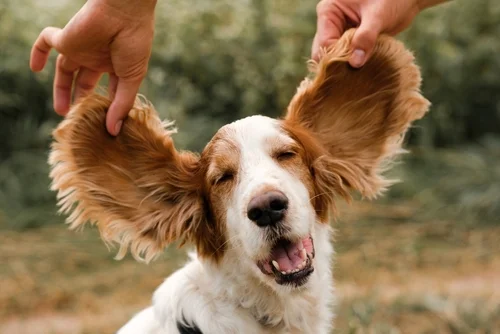
Ears rarely get much attention until something goes wrong, yet a quick weekly check takes less than a minute and catches most problems before they become painful. Floppy-eared dogs are especially prone to ear trouble, and cats can develop ear problems as well, so a simple routine at home is worth building for any pet.
Make Ear Checks a Habit
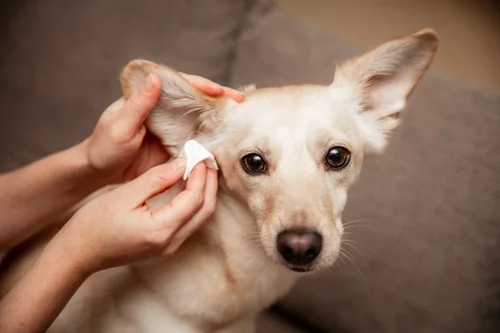
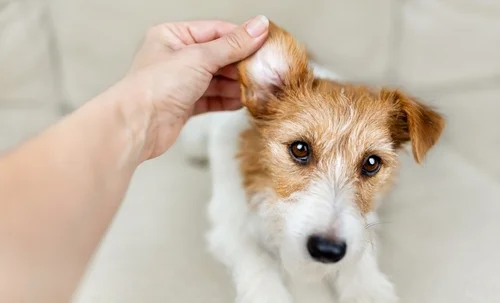
Look inside your pet's ears once a week, keeping in mind that healthy ears are pale pink, clean, and nearly free of odor, with only a little light wax. A strong smell, visible redness, or dark debris is a sign that something needs attention. Some pets deserve extra vigilance, including dogs with hanging ears, hairy ear canals, or a love of swimming, since trapped moisture creates ideal conditions for infection, and breeds such as poodles, schnauzers, and spaniels are common examples. Cats rarely need their ears cleaned, but a weekly look still helps. Regular checks also teach your pet to accept handling, which makes later examinations and treatments far easier.
Signs of an Ear Infection
Head shaking, scratching at the ears, and tilting the head to one side are the most common early signs, and redness, swelling, discharge, and a sour smell usually follow. Dark, crumbly debris that resembles coffee grounds often points to ear mites, which are especially common in kittens and require veterinary treatment. Allergies, bacteria, yeast, and foreign objects such as grass seeds can all cause similar symptoms, and only a veterinarian can determine which one is responsible. A pet that yelps or pulls away when you touch an ear is in pain and should be seen right away.
How to Clean Ears Safely
Choose a cleaner made specifically for pets, and avoid hydrogen peroxide, rubbing alcohol, and vinegar, which irritate the ear and can make existing problems worse. Warm the bottle in your hand for a minute so the liquid does not startle your pet, then hold the ear flap upright, fill the canal with cleaner, and massage the base of the ear for about thirty seconds. A squishing sound is normal. Let your pet shake their head, then wipe the visible part of the ear with a cotton ball or gauze. Cotton swabs push debris deeper and can injure the eardrum, so leave them out of the routine, and dry the ears thoroughly after baths and swimming. If the ears look red or painful, skip cleaning and call your veterinarian instead.
When to Call the Veterinarian
Schedule a visit if symptoms last longer than a day or two, or if you notice yellow, green, or bloody discharge or visible swelling. Repeated infections can signal an underlying allergy, so they deserve a closer look. Your veterinarian can also tell you how often to clean, since some pets need attention every few weeks while others rarely need it at all.
A few minutes each week is all it takes to keep small problems from turning into painful ones, and a steady routine helps your pet stay comfortable with being handled. Start with a weekly look this week, and you'll notice right away when something changes.