










Bird Cage Essentials for National Pet Bird Day
Bird Cage Essentials for National Pet Bird Day
Birds are some of the most overlooked pets when it comes to habitat setup. It's easy to assume a cage is just a cage, but the size, layout, and placement of a bird's cage have a direct effect on its physical health and day-to-day happiness. With National Pet Bird Day landing on September 17th, it's a good moment to look at what a well-set-up cage actually needs. Many owners inherit a cage's setup from however it arrived and never revisit whether it still suits the bird living in it, especially as that bird grows more active or curious over time.
Why Cage Size Matters More Than You Think
A cage that only fits a bird's wingspan isn't enough. Birds need room to climb, flap, and move between perches without feeling cramped. As a general rule, bigger is better, and horizontal space matters as much as height, especially for species that climb more than they fly. Bar spacing matters too: too wide, and smaller birds can slip through or get a head caught; too narrow, and larger beaks can still catch on the gaps.
Shape matters as well as size. A cage that's tall and narrow might meet the square-footage minimum on paper but still leave a bird with nowhere to fly side to side, which is the kind of movement most species rely on more than vertical hopping.
Perches, Toys, and Mental Stimulation
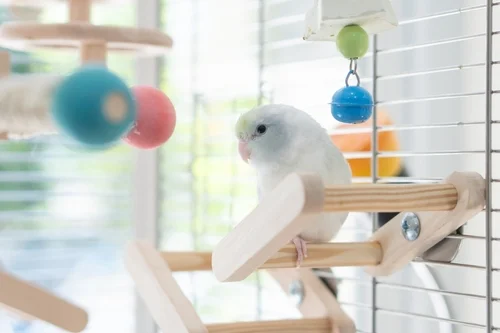
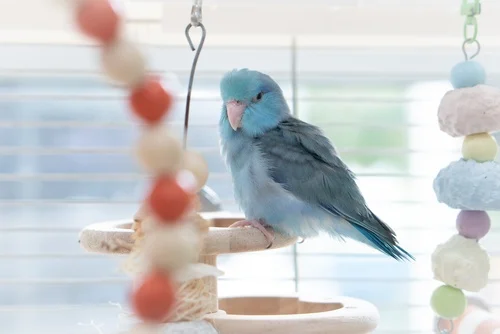
A single dowel perch isn't enough for healthy feet. Mix up perch diameters and textures to help your bird's feet strong and prevents pressure sores. Toys matter just as much as perches: birds are intelligent, curious animals, and a cage without anything to chew, shred, or puzzle over quickly becomes a source of boredom, which can show up as feather plucking or excessive vocalizing.
Rotating toys in and out on a regular basis, rather than leaving the same two or three in place indefinitely, keeps a bird from losing interest altogether. It also helps to mix toy types: foraging toys that hide treats, shreddable materials, and things that make noise all give a bird a different way to stay occupied throughout the day.
Placement and Environment
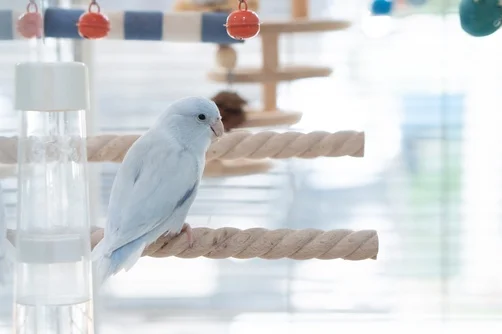
Where a cage sits in the home matters more than most owners expect. Avoid drafty windows, direct blasts from heating or cooling vents, and the kitchen, where nonstick cookware fumes can be dangerous to a bird's sensitive respiratory system. Birds also do best with a predictable day-night rhythm, so a spot away from constant household traffic, with the option to cover the cage at night, tends to work well.
Natural light matters too, though direct, unfiltered sun for long stretches can overheat a cage quickly, so a spot with bright, indirect light tends to work best.
Setting a cage up thoughtfully from the start does more than keep a bird safe. It also gives them the space to actually act like themselves, climbing, playing, and settling into a routine that keeps them healthy for years to come. National Pet Bird Day is as good a reason as any to take a second look at a setup that's been the same for a while; small adjustments to size, perches, or placement often make a bigger difference than they seem like they would.